
What Is A2P 10DLC Registration?
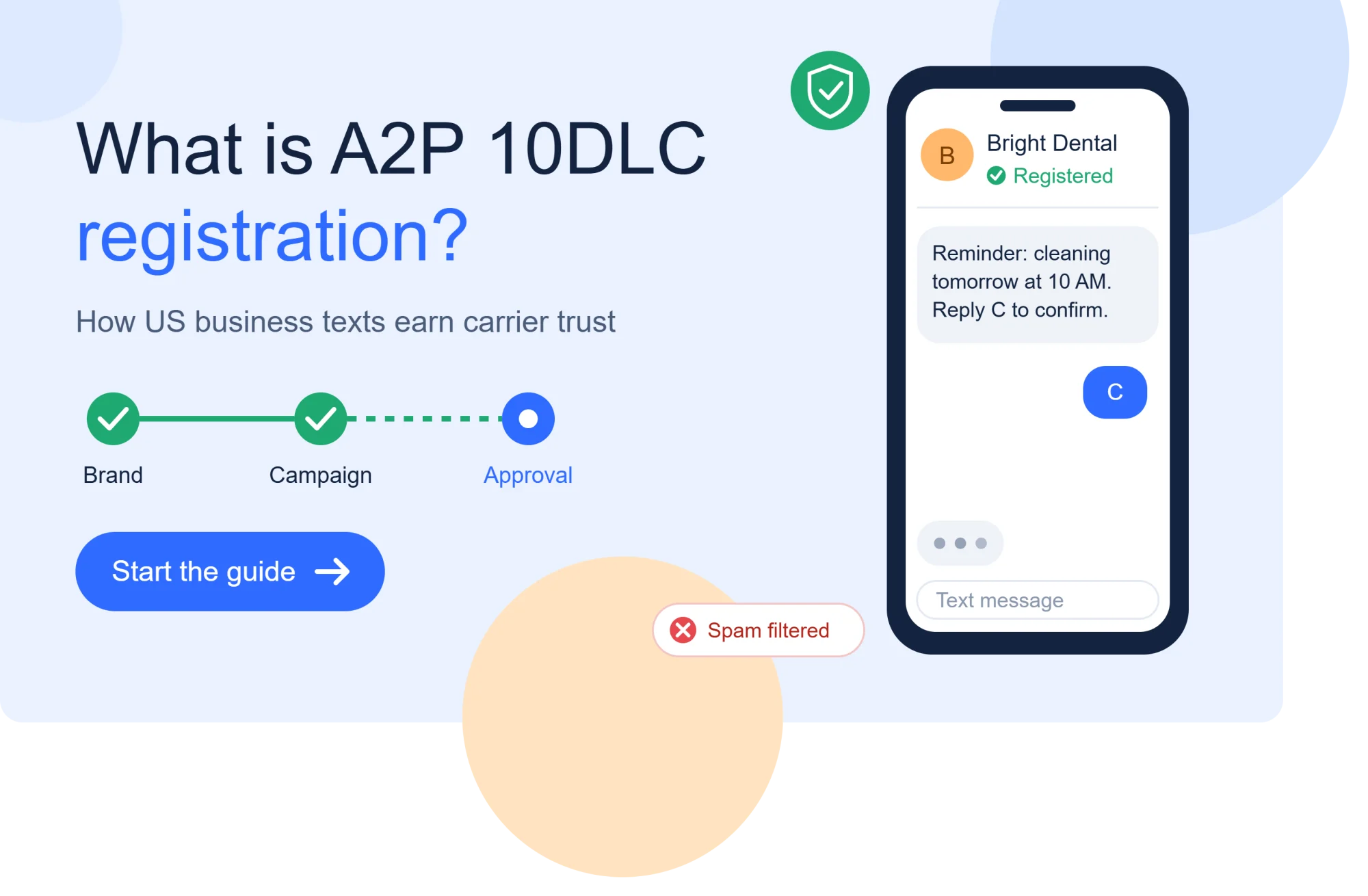
A customer may expect an appointment reminder, while a stranger gets an unsolicited text from an unknown business. A2P 10DLC…

VoIP Anchor is independent. No provider pays to be featured or reviewed. Our disclosure
On this page
- What Does A2P 10DLC Mean?
- Why Did US Carriers Introduce A2P 10DLC?
- How Is A2P Texting Different From Person-to-Person Texting?
- Who Must Register a 10-Digit Long Code?
- How Do Brand and Campaign Registration Work?
- What Information Is Required for A2P Registration?
- What Does A2P 10DLC Compliance Require?
- How Long Does Registration Take and What Does It Cost?
- How Can Businesses Get Approved and Keep Campaigns Healthy?
- Conclusion
A customer may expect an appointment reminder, while a stranger gets an unsolicited text from an unknown business. A2P 10DLC registration helps US carriers tell accountable business messages from spam and scams.
A2P messaging is messaging in which a software application sends a text to a person’s mobile phone. Businesses use it to share useful updates, but unwanted texts can put customer privacy at risk. Registration gives carriers information about who sends business texts and why.
That clear record can help customers trust messages they expect and make it harder for bad actors to hide. You’ll learn how the system began, what registration requires, and how it can support genuine business texting.

What Does A2P 10DLC Mean?
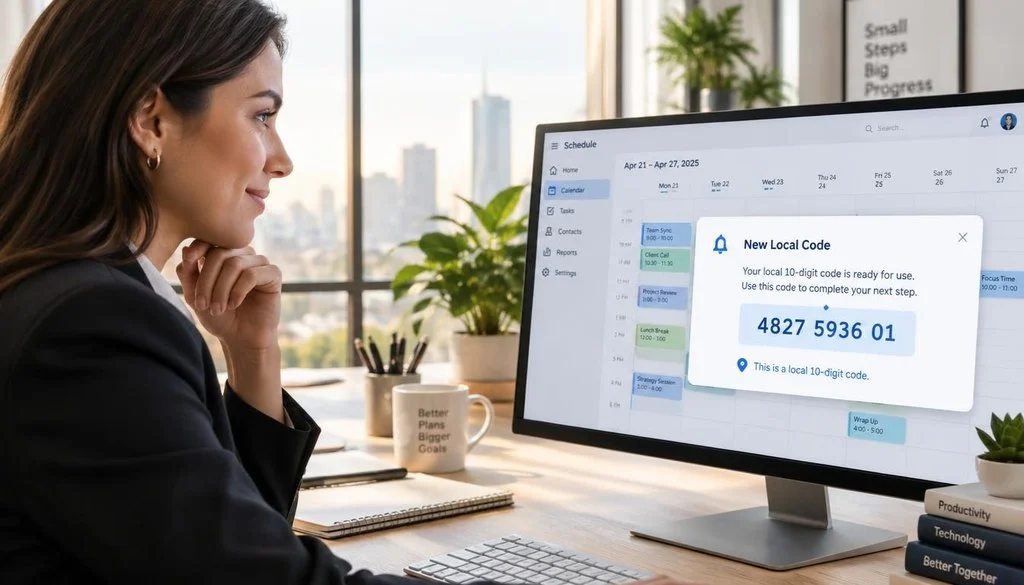
A clinic can use scheduling software to send an appointment reminder through its messaging service. The software starts the message, even when the text appears to come from a local business number.
A2P stands for application-to-person. The “A” means an application or software sends a message on a business’s behalf, rather than a person typing it on a phone.
10DLC stands for 10-digit long code, a standard 10-digit US local phone number. An A2P 10DLC phone number looks familiar to customers, like a local number they might call or text.
A2P describes who sends the message
A2P tells you how the message starts, not what it says. A software system can send an alert after a customer books, pays, or places an order.
The person can still reply. For example, a patient might text back to confirm a visit or ask the clinic to change the time.
Messaging services can carry SMS, the standard text format, and MMS, which can include media such as images. Some services also support voice calls through the same local number.
10DLC describes the phone number
The “10” refers to the number’s length, and “DLC” means long code. These dlc numbers use the familiar US local-number format, rather than a short code.
A 10-digit long number can support two-way messaging, so customers can respond to a business text. The term 10-digit long code describes the number format, not a special kind of message.
In short, A2P describes the sender and 10DLC describes the number. That format explains what A2P 10DLC is, while carrier rules arose because automated traffic creates different risks from personal texting.
Why Did US Carriers Introduce A2P 10DLC?
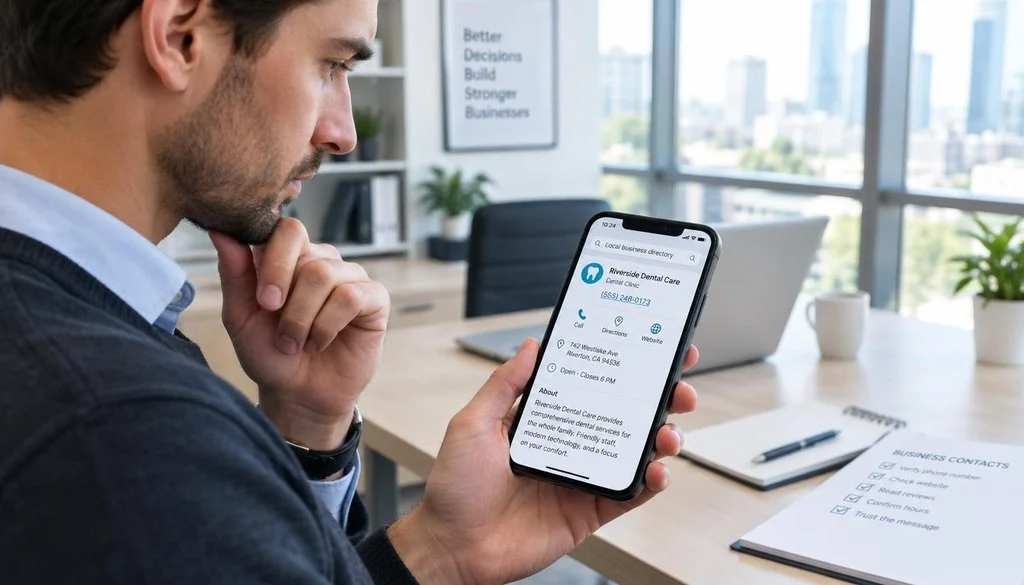
A customer may see a local number and assume it belongs to a nearby business, but a scammer can use one too. That uncertainty made it hard to judge which messages came from responsible senders.
US carriers introduced registration to identify businesses and the purposes behind their automated messages. The framework aims to reduce spam and fraud, support better routing, and help people trust expected business texts.
Virtual numbers made automated texting easier to scale
Virtual numbers let software send messages without a person typing each one. A business could use one to send useful service updates to many customers.
The same local-number format could also send high-volume spam or scams. To a recipient, a real appointment notice and an unwanted pitch might look much alike.
Earlier rules offered limited ways to check a shared sender or confirm the planned use. Carriers and customers could struggle to tell who stood behind the number.
Registration helps carriers identify responsible senders
Registration gives carriers a way to link a business identity with its messaging purpose. Major US mobile carriers include AT&T, Verizon, and T-Mobile.
The Campaign Registry (TCR) administers 10DLC registration for the carrier industry. It is not a rule tied to one texting provider, so businesses face the framework across providers.
Carriers can use registration details to assess the sender and the traffic being routed. It does not make every message welcome or guarantee delivery, but it offers clearer signals about business messaging.
Carriers need to know both who is sending and why. Those two questions lead to the system’s separate business identity and messaging-purpose reviews.
How Is A2P Texting Different From Person-to-Person Texting?
A friend types a text on a personal phone to plan dinner. A dentist’s scheduling system can trigger an appointment reminder without anyone typing it by hand. The key difference is where the message begins.
P2P texting starts with a person, while A2P texting starts with an application. Both can reach a phone as a text message, and both may allow a reply.
| Attribute | P2P texting | A2P texting |
| Who initiates | A person | An application |
| Where the message originates | Personal phone | Business software |
| Concrete example | Friends coordinating plans | Dentist’s automated reminder |
| Typical interaction pattern | Personal back-and-forth | Automated text, possible customer reply |
A person usually starts P2P messaging by choosing a contact and writing a text. The other person responds from their own phone, often in a casual conversation.
With A2P, an event in a business system can start the message. A booking, delivery update, or account alert may trigger a text to the customer.
A customer can reply to a business text sent from a standard 10DLC number. The reply does not change the message’s original source.
So the origin of the message, not the reply option, is the key distinction. That difference helps show which application-sent traffic needs registration.
Who Must Register a 10-Digit Long Code?
A small US business may use scheduling software to text a customer from its local business number. If software sends it, the text follows the application-based framework.
Registration is required for application-originated SMS or MMS sent to US numbers over 10-digit local numbers. This applies across providers, not only through one texting service.
US application-based texting uses the registration framework
Businesses that send messages from software through local 10-digit numbers need to register their messaging. The rule covers customer alerts and marketing texts sent by application.
It applies to the traffic, not just to a certain business size or provider. A company using one service and a company using another face the same basic number-type distinction.
| Number type | Example format | Registration route | Voice support |
| 10DLC | 212-555-0147 | A2P 10DLC registration | Yes |
| Toll-free | 800-555-1234 | Separate toll-free verification | Yes |
| Short code | 12345 | Separate carrier approval | No |
Toll-free numbers and short codes follow different routes
Toll-free numbers use a separate verification route, even when a business uses them for texts. Short codes also follow a separate carrier-approval process.
A number’s format matters because each type has its own registration path. Toll-free numbers support voice, as do 10DLC numbers, while short codes do not.
Businesses planning to register DLC numbers should first confirm their number type with their provider. That choice determines whether the 10DLC brand and campaign process applies.
How Do Brand and Campaign Registration Work?
A dental practice first identifies its business, then explains the appointment texts it plans to send. Those are separate checks: one covers the sender, and the other covers the purpose.
Brand registration identifies the business, while campaign registration describes a specific texting use case. A business generally starts through its communications provider, which submits registration details into the system.
For application-based texting, A2P 10DLC registration for SMS includes both parts. Here is an A2P 10DLC example: a dentist registers its practice, then describes appointment reminders sent to patients.
| Registration stage | What it establishes | Typical details or outcome |
| Brand registration | Business identity | Legal name and business details |
| Campaign registration | Messaging purpose | Use case, sample texts, consent details |
| Provider and carrier review | Registration assessment | Submission reviewed and handled |
A brand is the business behind the messages. Brand registration can connect a legal business name with its messaging activity.
Brand registration identifies the business
The business provides identity details through its communications provider. The provider typically submits those details to The Campaign Registry for the registration process.
A clear identity helps distinguish one business from another. The brand can then be linked to one or more legitimate messaging purposes.
Campaign registration explains the messaging use case
Campaign registration describes why the business sends texts and what recipients can expect. A dentist might register appointment reminders, while an online retailer registers shipping updates.
One brand can have more than one valid use case. Each campaign description may include its purpose, sample messages, and information about how people agree to receive texts.
The provider submits the registration for review
Businesses generally submit registration details through their communications provider. The provider routes the information into the industry registration system for review.
The review connects the business, purpose, and expected traffic. A broad label such as “customer messages” does not explain enough about what the campaign sends.
The campaign description should match the real messages sent to customers. That link between the stated purpose and live traffic makes the information a useful base for the details a business must prepare.
What Information Is Required for A2P Registration?
A business can gather its tax record and draft a real customer text before opening its provider’s form. That preparation helps keep the identity and campaign details consistent.
Registration commonly asks for business identity, campaign details, sample messages, and proof or explanation of consent. Exact fields can vary by provider and registration path.
Business identity details support brand verification
Use the legal business name that matches tax records. The form may ask for an EIN, or another applicable business identification number.
Gather the business address, website, business type, and industry details. A contact person’s name and contact information may also be needed for the registration.
Check that the website and business records use consistent details. A mismatch between a tax record and a brand name can prompt questions during review.
Use-case examples and consent evidence support campaign review
For each campaign, explain its purpose, such as appointment reminders or shipping updates. Include an estimated message volume and sample texts that reflect what customers will receive.
A useful sample names the expected event and gives the actual kind of update. “Your order has shipped” shows more than a vague description like “general messaging.”
Describe how recipients opt in and share supporting details or evidence. For example, explain where a customer sees the invitation and how they agree to receive texts.
Keep the examples tied to the campaign’s stated use case. A promotional offer does not match a campaign described only as service alerts.
The form’s exact information fields can vary with the provider and registration path. Accurate details help the review, but approval also depends on the message practices the business follows afterward.
What Does A2P 10DLC Compliance Require?
A customer agreed to appointment reminders, not promotions, and receives a text about an upcoming visit. That match respects the purpose the customer accepted.
A business is compliant when it registers its brand and relevant campaign for local-number traffic, then follows applicable laws and carrier rules. Registration alone does not cover daily messaging practices.
Get and document permission before texting
Businesses should get valid consent before sending messages. Keep information about how people agreed, and make clear what kind of texts they signed up to receive.
Honor opt-outs such as STOP when a recipient asks to stop messages. Businesses should also support help requests, such as a customer replying HELP to ask for assistance.
Consent should fit the content. Permission for appointment reminders does not by itself mean the business can send unrelated marketing texts.
Match live messages to the approved campaign
Keep actual message content within the registered use case. A campaign for shipping updates should not turn into a stream of unrelated sales offers.
TCPA legal requirements and CTIA messaging guidelines are part of the broader compliance picture. Businesses need to consider both, along with the rules that apply to their messages.
Some restricted or regulated content may need added review, or policies may not allow it. Check applicable rules before adding that content to a campaign.
Following these practices protects recipients from unwanted texts and helps a business show accountability. With permission and message purpose in view, timing and cost become practical questions for the next step.
How Long Does Registration Take and What Does It Cost?
A business planning a launch date needs time for review and room in its budget for registration charges. The timing can vary with the submission and review queue.
Straightforward approvals are commonly estimated at 5-7 business days, while added review can take 7-10 days or longer. Some processes may take 2-4 weeks or more.
Review time depends on the submission and review queue
A complete, consistent submission may move through review more quickly than one with missing or conflicting details. Review time can also depend on the queue and whether a reviewer asks for changes.
Use the longer range when planning a launch that depends on text messages. A review estimate is not a promise of approval by a certain date.
If a reviewer requests clarification, the business may need to respond before review can continue. Keep the contact person available and check for questions from the provider.
Fees vary by brand type, campaign, and provider
There is no single universal total for A2P registration. The charge can depend on the brand type, campaign, and provider.
Possible fees include a one-time brand fee, campaign vetting or registration fees, recurring campaign charges, provider charges, and carrier fees. Some costs may apply at different stages.
Ask the provider to explain which charges are one-time and which recur. Confirm current fees and whether a resubmission carries a charge before paying.
Consistent details and a clear campaign description can reduce avoidable delays. Once the process starts, careful application choices and steady texting practices can help support approval and delivery.
How Can Businesses Get Approved and Keep Campaigns Healthy?
A clinic can describe a campaign as appointment reminders, rather than saying it sends “all kinds of messages.” That focus helps reviewers understand what customers will receive.
To improve the chance of approval in 2026, submit accurate details, a specific use case, realistic samples, and clear consent information. Approval is not guaranteed.
Make the application specific and consistent
Make sure business details match across the registration form and records. Mismatched tax or business details can create questions and slow review.
Describe one clear purpose instead of using a broad phrase such as “general messaging.” Write sample texts that fit that purpose and sound like messages customers will actually get.
Explain how recipients give consent and include relevant evidence. If a reviewer asks for changes, correct the details or add information that answers the question.
Keep sending practices aligned over time
After approval, update changed business or campaign details through the provider. Keep sending only the kinds of messages the registered campaign describes.
Respect opt-outs and watch for complaints or delivery changes. Avoid sudden, unexplained shifts in message volume, which can affect how carriers assess traffic.
Carrier trust and filtering can affect routing and throughput. Registration gives genuine businesses a clearer way to identify themselves and support customer messages people expect.
For businesses with genuine, consent-based use cases, A2P 10DLC is worth it. The value comes from being accountable and keeping real messages aligned with the stated purpose.
Good upkeep links the application to the message a customer sees. Accurate registration and respectful texting belong together, and both guide the final decision.
Conclusion
A2P 10DLC registration is a basic part of responsible business texting over US local numbers. It helps carriers identify legitimate senders and gives customers more accountable messages.
Before you submit, review your provider’s registration requirements and gather accurate business and consent information. Keep the texts you send within the purpose you declared.
Check your provider’s current requirements before sending application-based texts.

2 Comments