What is SIP Trunking? A Simple Guide for Businesses
SIP trunking replaces old phone lines with internet-based connections for your business phone system. Here is how it works, what it costs, and whether you need it.

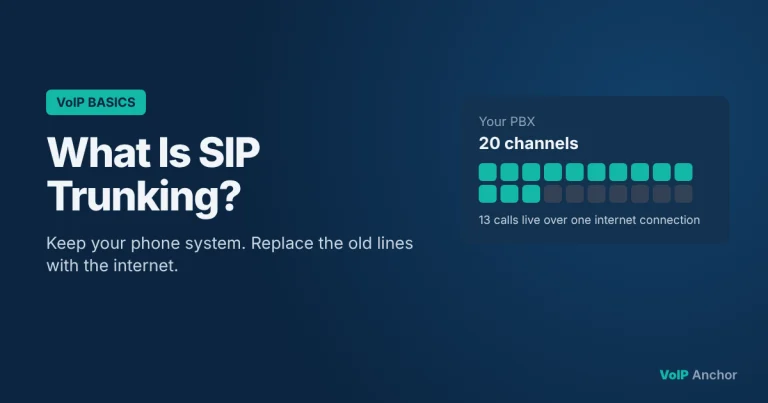
SIP trunking replaces old phone lines with internet-based connections for your business phone system. Here is how it works, what it costs, and whether you need it.
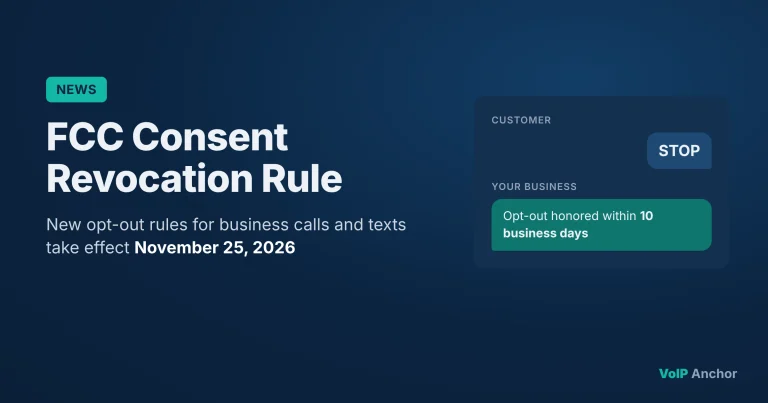
New FCC opt-out rules for robocalls and robotexts take effect on November 25, 2026. Here is what changes, what stays the same, and how to get your calls and texts ready.
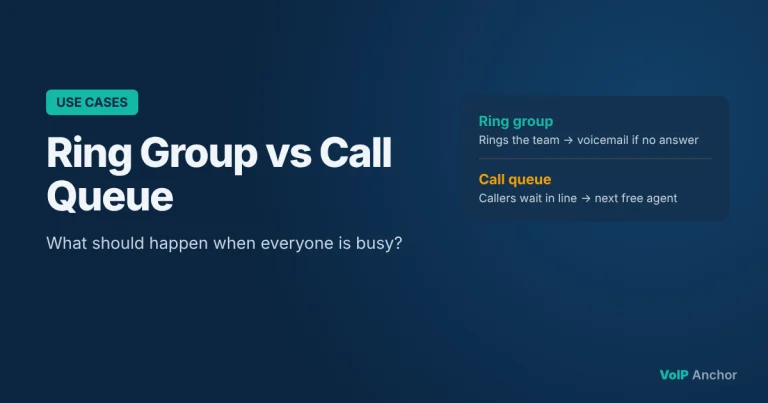
Ring groups and call queues both send calls to a team, but they behave very differently when everyone is busy. Here is how to choose the right one.
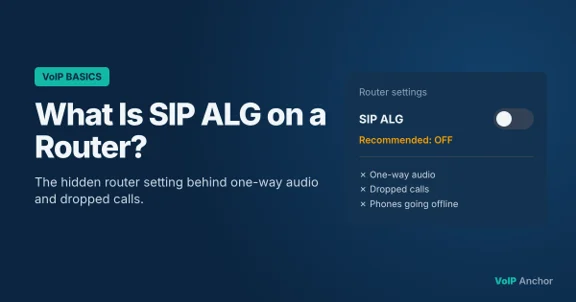
One-way audio, dropped calls or phones that keep going offline? A router setting called SIP ALG is a common culprit. Here’s what it does and how to turn it off.
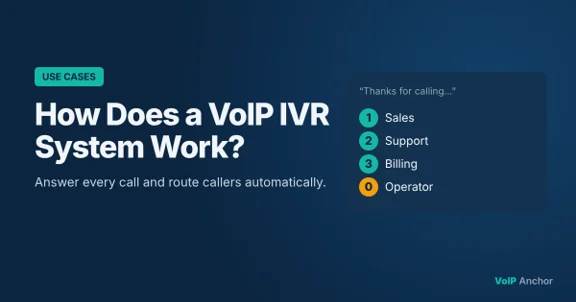
“Press 1 for sales” is just the start. Here’s how a VoIP IVR system works behind the scenes, what it can do for a small business, and how to set one up well.
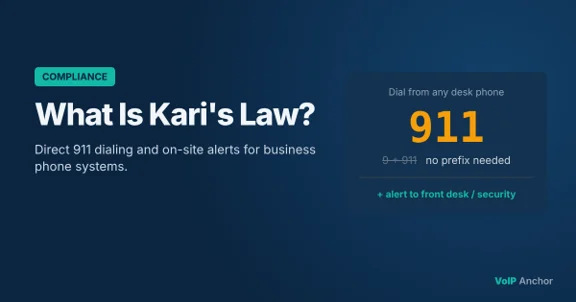
Kari’s Law means anyone can dial 911 from a business phone without pressing 9 first. Here’s the story behind it, what it requires, and how to make sure your phone system complies.
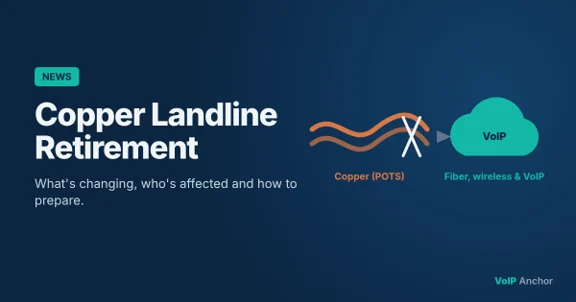
US carriers are switching off the copper phone network. Here’s what copper landline retirement means for homes and businesses, the latest FCC rules, and how to move your lines without disruption.
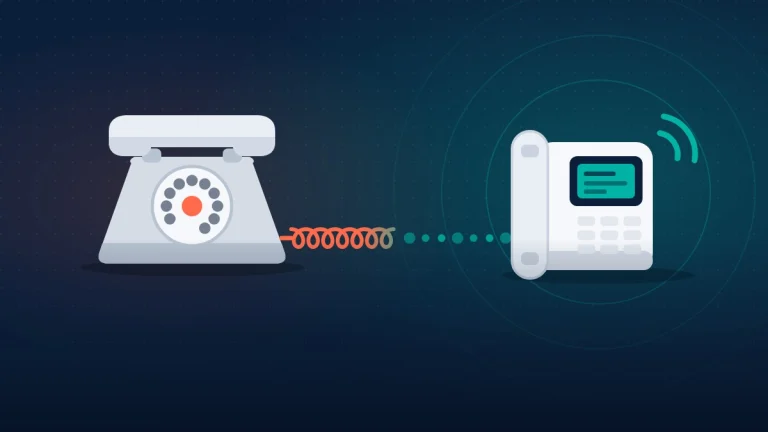
Phone companies are retiring copper landlines faster after a March 2026 FCC order. Here’s what that means for your business lines, alarms and 911, and how to switch without surprises.
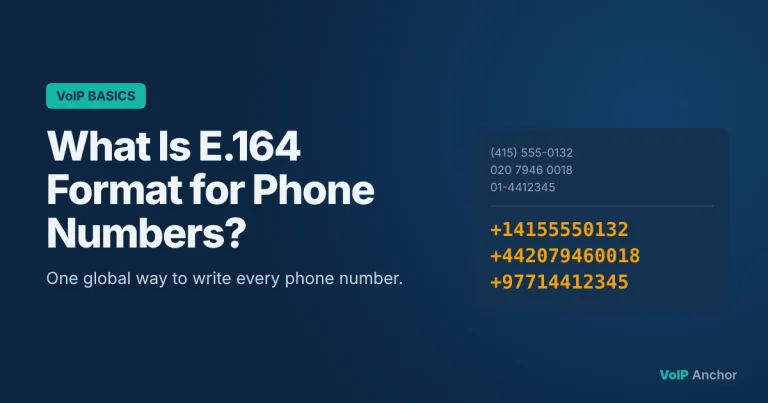
E.164 format is the global standard for writing phone numbers. Learn its rules, how US and international numbers convert, and where country codes came from.
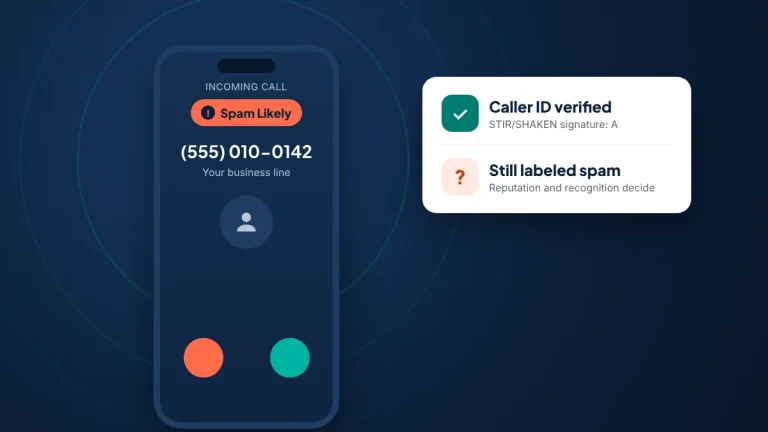
“Spam Likely” doesn’t mean you broke a rule. Here’s what STIR/SHAKEN checks, what the 2026 data shows, and how to fix a flagged number.